Maintaining a contaminant-free workspace is essential in laboratories handling sensitive materials. Laminar flow cabinets provide a controlled environment by directing filtered air over a work surface, preventing airborne contamination. Choosing the right model depends on application needs, airflow direction, and additional features like UV sterilization. This guide explores laminar flow cabinets, their types, key specifications, and how to select the best option for your laboratory.
What Is a Laminar Flow Cabinet?
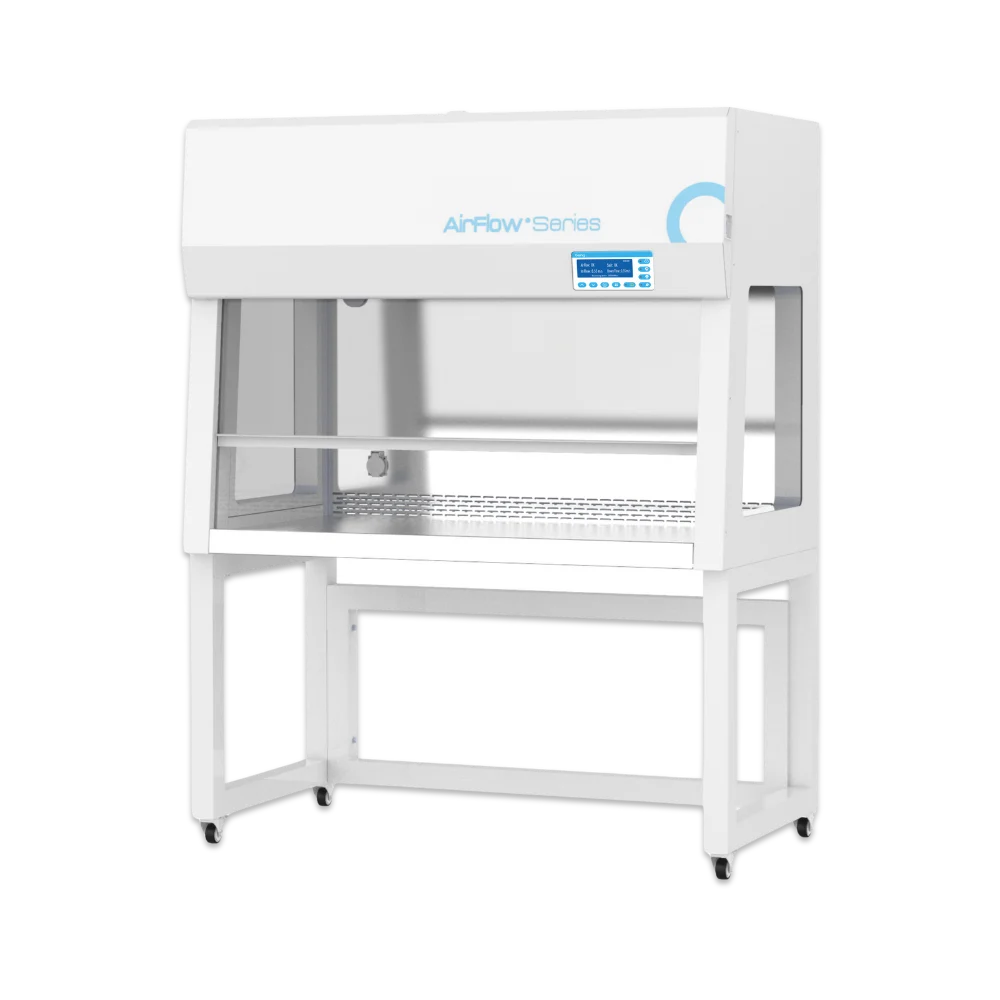
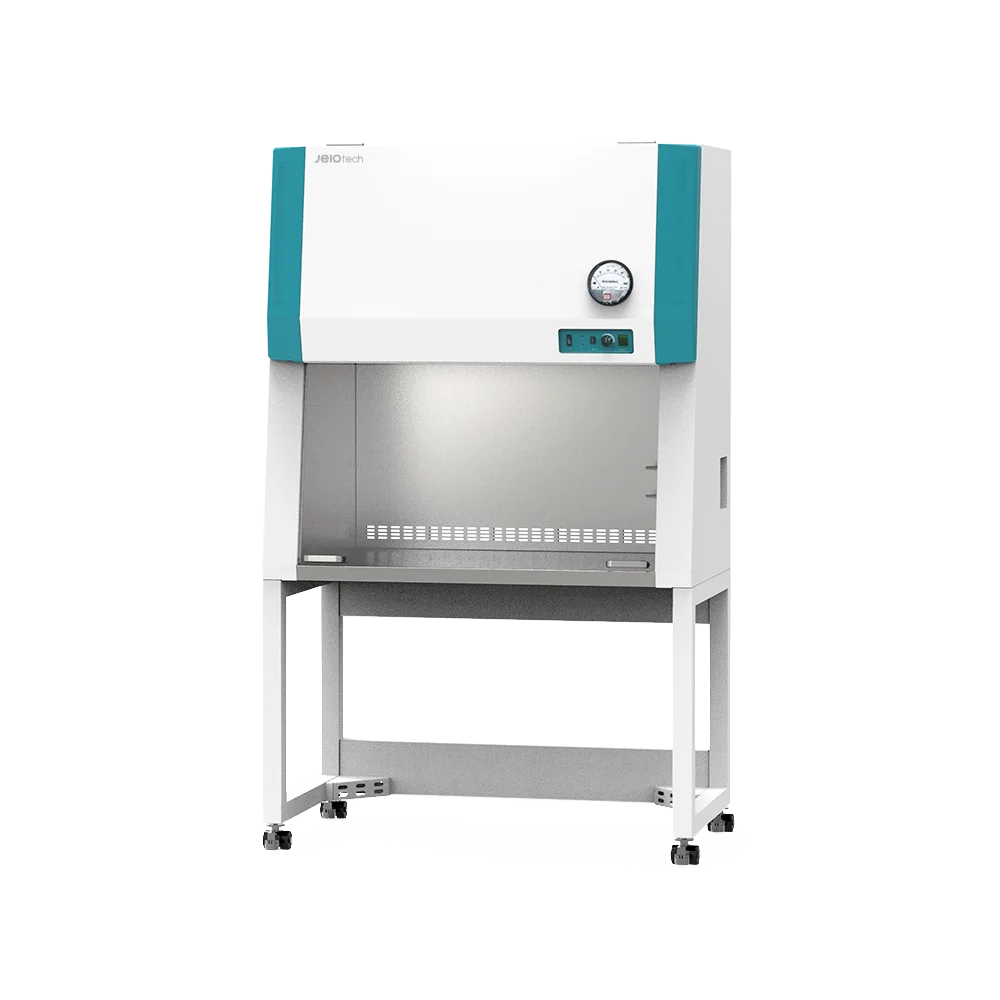
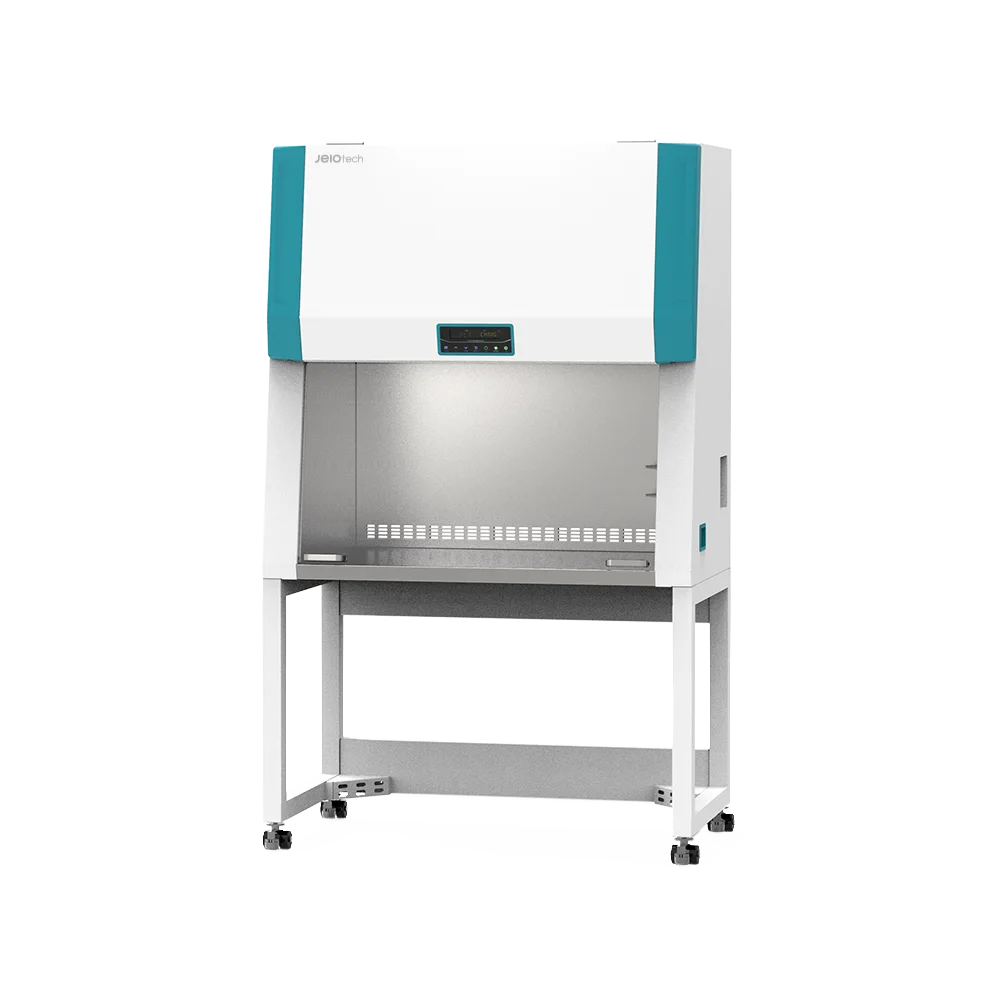
A laminar flow cabinet, also called a clean bench or laminar flow hood, is a workstation designed to protect samples from contamination by directing filtered air over the workspace. These cabinets use HEPA or ULPA filters to remove airborne particles, ensuring a sterile environment for handling non-hazardous materials.
Unlike biosafety cabinets, which protect both the sample and the user, laminar flow cabinets only safeguard the sample from contamination. They are ideal for applications where sample purity is the priority.
Vertical vs. Horizontal Laminar Flow Cabinets
Choosing between vertical and horizontal laminar flow cabinets depends on workspace limitations and application requirements.
- Vertical Laminar Flow Cabinets
- Air flows from the top down.
- Offers better containment of contaminants.
- More ergonomic, as airflow does not blow directly onto the user.
- Suitable for microbiology, sterile sample preparation, and general laboratory work.
- Horizontal Laminar Flow Cabinets
- Air flows directly from the back toward the front.
- Provides minimal turbulence over the work surface.
- Preferred in applications where airflow disruption must be minimized.
- Commonly used in electronics, optics, and pharmaceutical packaging.
Key Differences: Laminar Flow Cabinets vs. Biosafety Cabinets
Many laboratories confuse laminar flow cabinets with biosafety cabinets, but their functions differ significantly:
| Feature | Laminar Flow Cabinet | Biosafety Cabinet |
| Airflow | Direction Blows towards the user (horizontal) or downwards (vertical) | Filtered airflow directed away from the user |
| User Protection | No user protection from pathogens | Protects user from hazardous biological materials |
| Sample Protection | Yes, maintains sterility | Yes, prevents cross-contamination |
| HEPA Filter | Yes, for sterile air | Yes, plus exhaust filtration |
| Application | Clean environments for non-hazardous materials | Handling infectious agents and hazardous substances |
For laboratories working with biological hazards, a biosafety cabinet is the safer choice. For non-hazardous materials requiring sterile conditions, a laminar flow cabinet is ideal.
Applications of Laminar Flow Cabinets
Laminar flow cabinets are widely used in laboratories that require a sterile working environment. Applications include:
- Microbiology & Cell Culture – Protecting cultures from airborne contaminants.
- Pharmaceutical Compounding – Ensuring sterility in drug preparation.
- Electronics Manufacturing – Preventing dust contamination on sensitive components.
- Food Testing Laboratories – Handling food samples under clean conditions.
- Medical & Dental Labs – Preparing sterile medical devices and materials.
The Role of UV Light in a Laminar Flow Cabinet
Many laminar flow cabinets include UV sterilization as an additional feature. UV-C light effectively destroys bacteria, viruses, and fungi, ensuring a sterile environment before and after use.
Best Practices for UV Sterilization:
- Use UV light for at least 15-30 minutes before working.
- Keep the cabinet closed while UV light is active.
- Turn off UV light before beginning work to avoid exposure risks.
- Regularly clean the UV lamp to maintain efficiency.
How to Clean a Laminar Flow Cabinet
Regular cleaning ensures the efficiency of laminar flow cabinets and prevents contamination. Follow these steps for proper maintenance:
- Turn Off the Cabinet & Remove Equipment
Ensure the cabinet is powered down.
|Remove unnecessary tools and materials. - Disinfect the Interior
Use a 70% ethanol or isopropanol solution to wipe down surfaces.
Clean from the back to the front to avoid re-contaminating cleaned areas. - Clean the HEPA Filter Cover
Gently wipe the protective grill to remove dust buildup.
Avoid direct contact with the filter itself. - Run the Cabinet for 15 Minutes
Allow airflow to stabilize before use.
Ensure air filtration removes any remaining airborne contaminants.
Choosing the Right Laminar Flow Cabinet
When selecting a laminar flow cabinet, consider the following factors:
- Airflow Type – Choose vertical for better containment or horizontal for reduced turbulence.
- Cabinet Size – Match workspace dimensions with cabinet size requirements.
- HEPA/ULPA Filtration – Ensure high-efficiency filtration for sterile airflow.
- UV Sterilization – Opt for a UV-equipped model for added decontamination.
- Material Construction – Stainless steel interiors provide durability and easy cleaning.
Explore Our Laminar Flow Cabinets
At Apex Scientific, we offer a range of laminar flow cabinets from trusted suppliers like Jeiotech and Being International. Browse our selection to find the ideal clean bench for your laboratory in South Africa.
For expert advice, contact Apex Scientific, your trusted laboratory equipment supplier in South Africa.