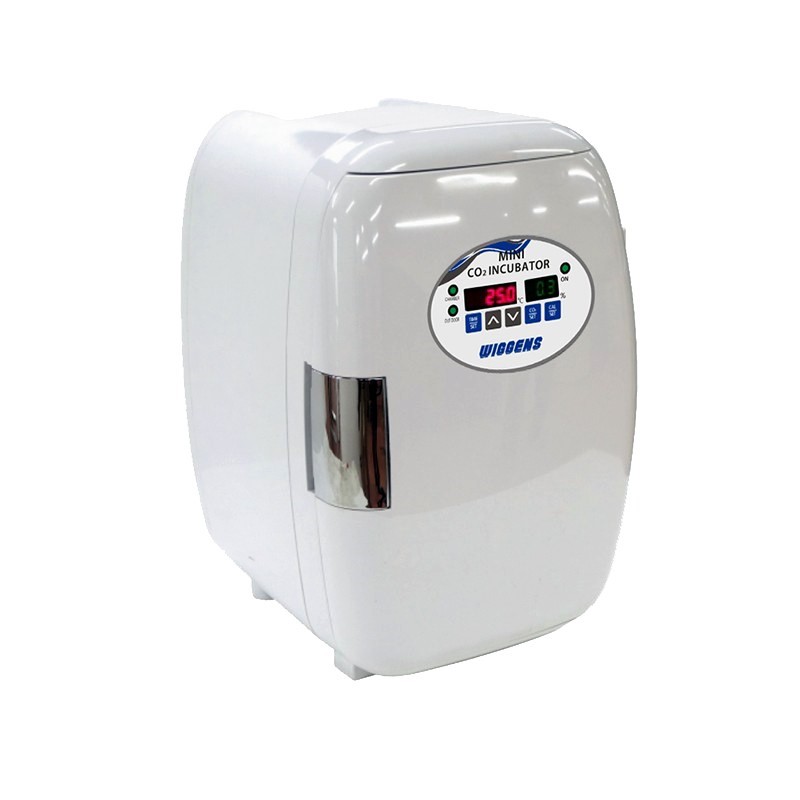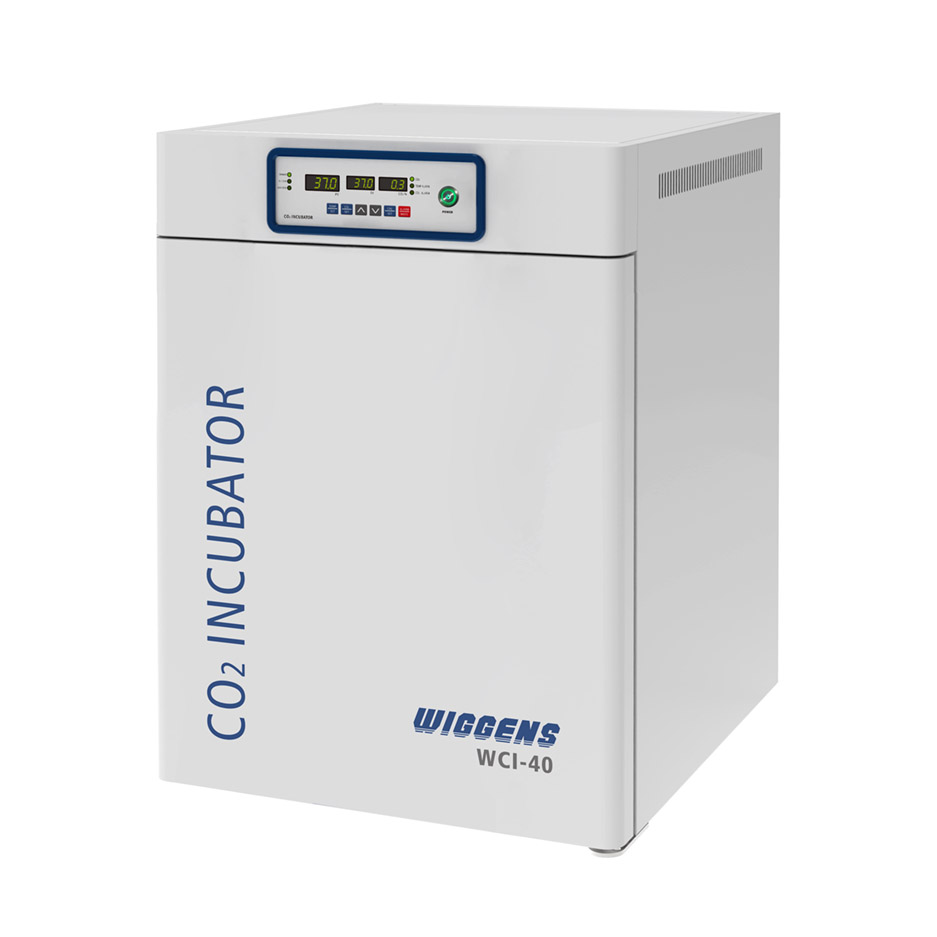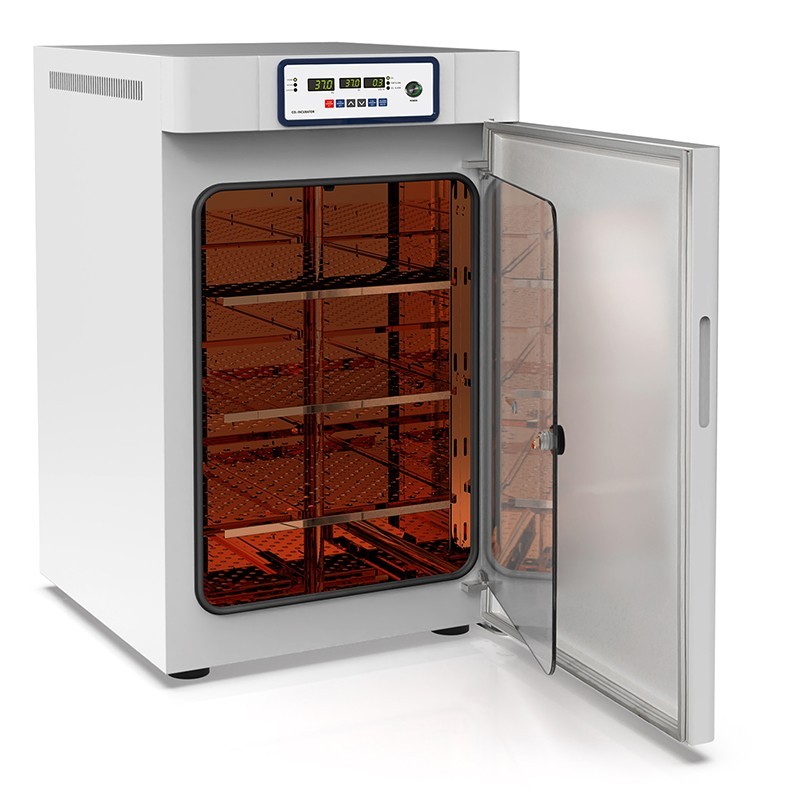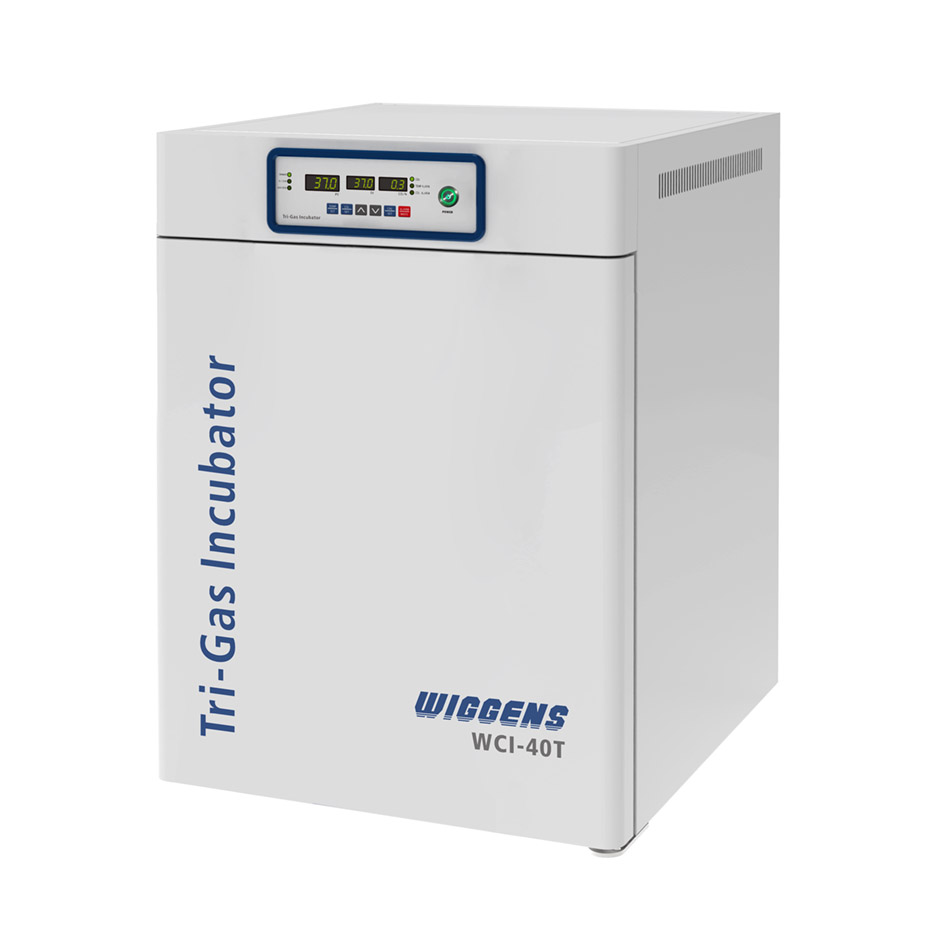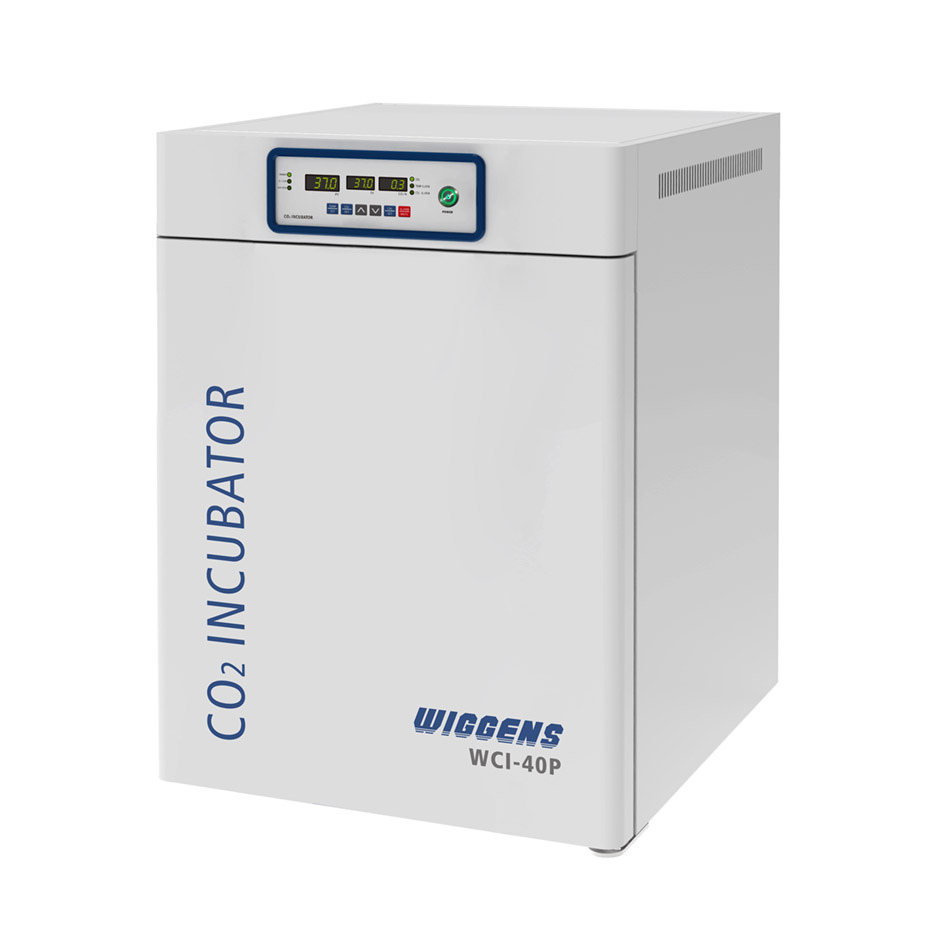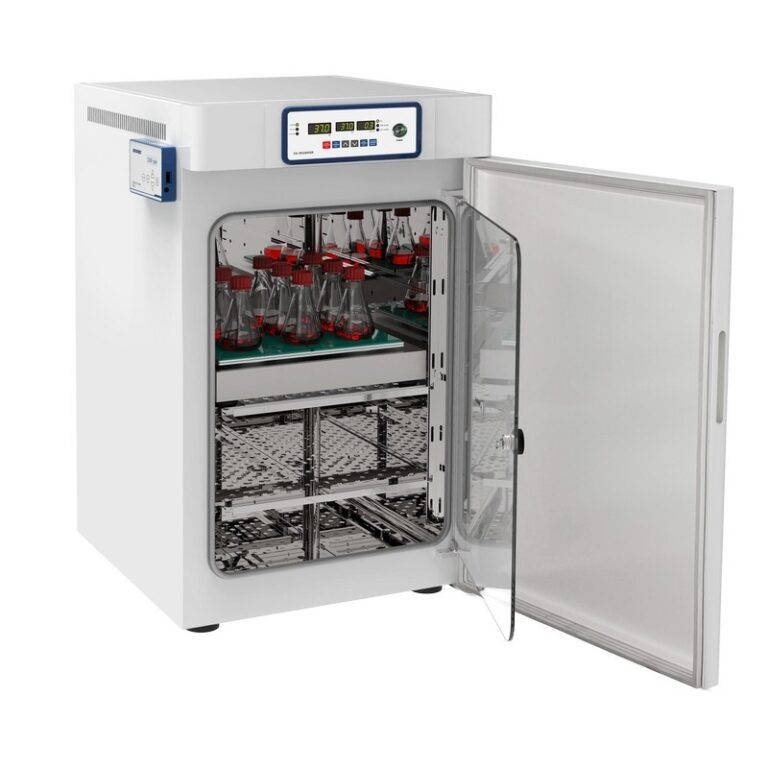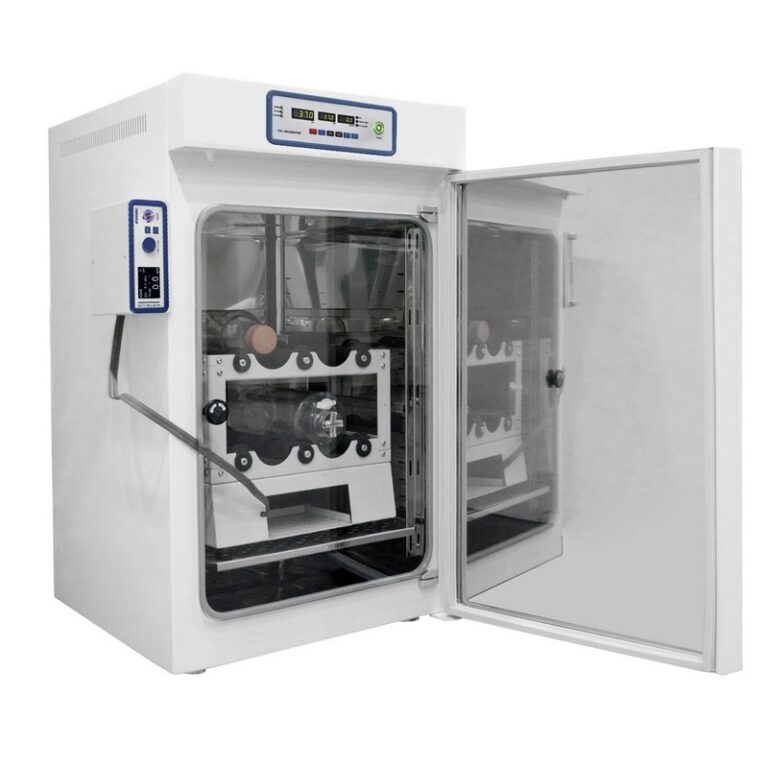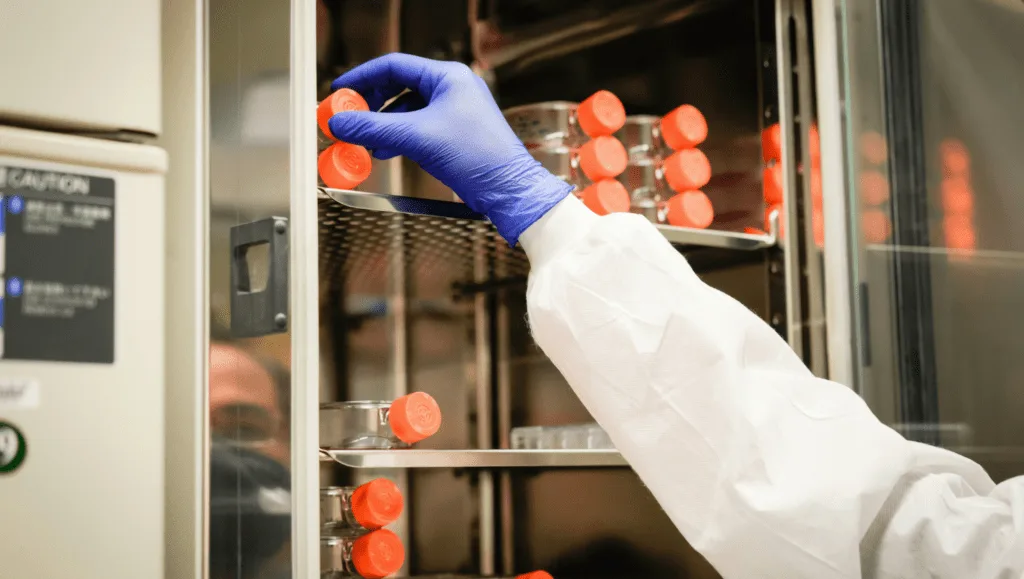
CO₂ incubators play a pivotal role in cell culture research, providing precise temperature, humidity, and CO₂ control to foster optimal cell growth conditions. At Apex Scientific, a trusted supplier in South Africa, we offer a wide selection of CO₂ incubators from Wiggens, catering to laboratories of all sizes and applications. Whether you require a compact, portable unit or a large-capacity model for high-volume research, we have the right laboratory equipment to meet your needs.
This guide will explore essential factors to consider when selecting a CO₂ incubator, highlight important technical specifications, and demonstrate how specific features impact performance.
1. Choosing the Right Size: From Compact to Large-Capacity Models
When choosing a CO₂ incubator for your laboratory, the size should be aligned with your research workload and available space.Small Portable Units – Ideal for small-scale research or limited spaces. Perfect for personal workstations or as backup incubators.
- Standard Laboratory Sizes (40L–180L) – Commonly used for most general cell culture applications in laboratories.
- Large-Capacity Units (Up to 850L or More) – Best suited for high-throughput laboratories that require incubating large numbers of samples or multiple cultures simultaneously.
Tip: Consider future growth when selecting your incubator size. Opting for a slightly larger unit now can save costs by preventing the need for additional units later.
2. Chamber Material: Stainless Steel vs. Copper Chambers
The material of your CO₂ incubator’s chamber plays a significant role in contamination control and durability.
- Copper Chambers – Naturally antimicrobial, these chambers help reduce contamination risks, making them ideal for critical cell culture applications.
- Stainless Steel Chambers – Known for their durability and corrosion resistance, these are widely used in most CO₂ incubators.
Tip: If contamination control is a top priority for your research, investing in a copper chamber may be worthwhile. However, stainless steel remains a reliable option for general applications.
3. Sterilization Options: High-Heat vs. Regular Decontamination
Maintaining a contamination-free environment is vital for cell culture success. Our CO₂ incubators come with various sterilization methods:
- High-Heat Sterilization (180°C Dry Heat Cycle) – Offers thorough decontamination, effectively eliminating bacteria, fungi, and viruses.
- Regular Units (UV or Manual Cleaning) – Require more frequent maintenance but are suitable for less contamination-sensitive applications.
Tip: For labs working with highly sensitive cultures, consider a model with high-heat sterilization to minimize contamination risks.
4. CO₂ Control and Uniformity
Precise CO₂ control is critical for maintaining optimal pH levels in your cell cultures. Our CO₂ incubators offer:
- Accurate CO₂ Sensors – Infrared (IR) sensors ensure stable and accurate CO₂ levels, even in humid environments.
- Uniform Air Circulation – Prevents localized CO₂ fluctuations, ensuring consistent conditions across all samples.
Tip: For labs with frequent door openings, choose an incubator equipped with an IR sensor for superior CO₂ control.
5. Humidity and Condensation Control
High humidity is essential to prevent culture media from drying out. Our CO₂ incubators include:
- Water Pan Systems – Simple and effective for maintaining humidity levels.
- Active Humidification Systems – Offer better control and minimize condensation, reducing contamination risks.
Tip: If your laboratory requires precise humidity control, an incubator with an active humidification system is a great choice.
6. Compatibility with Cell Culture Accessories
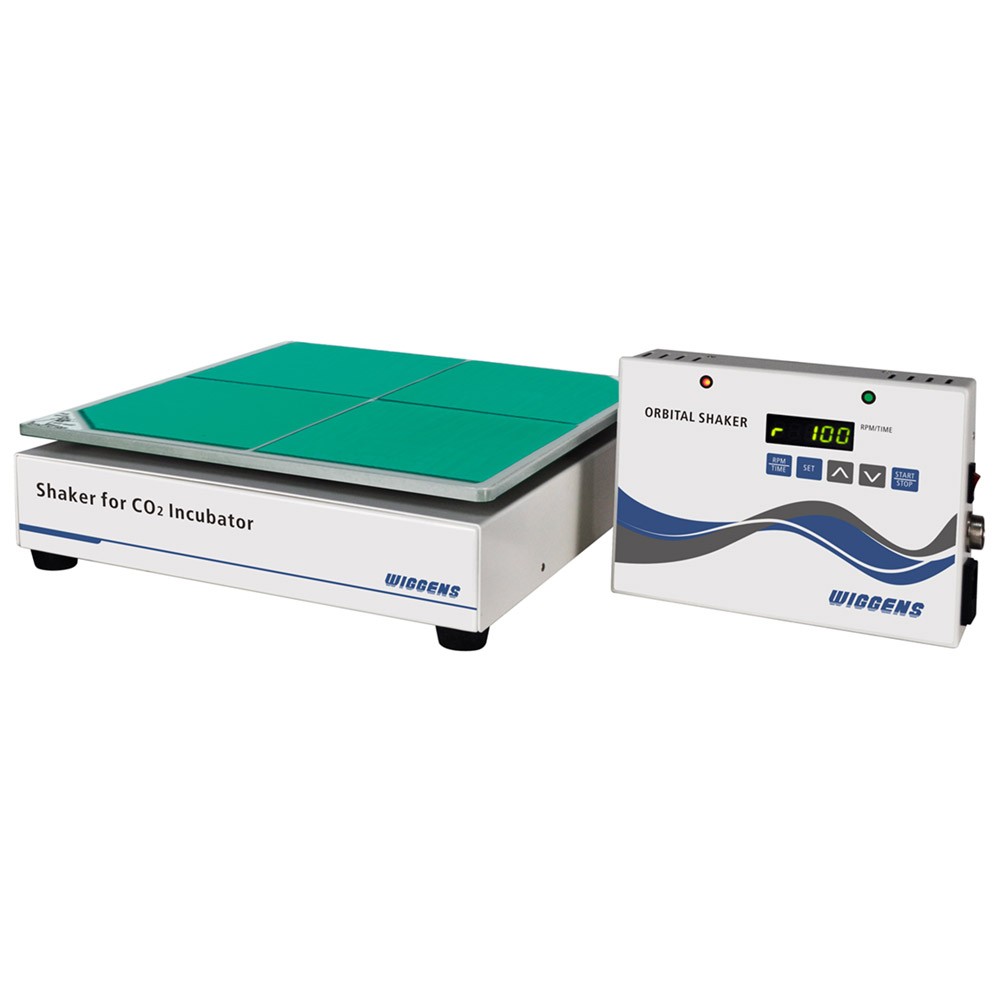
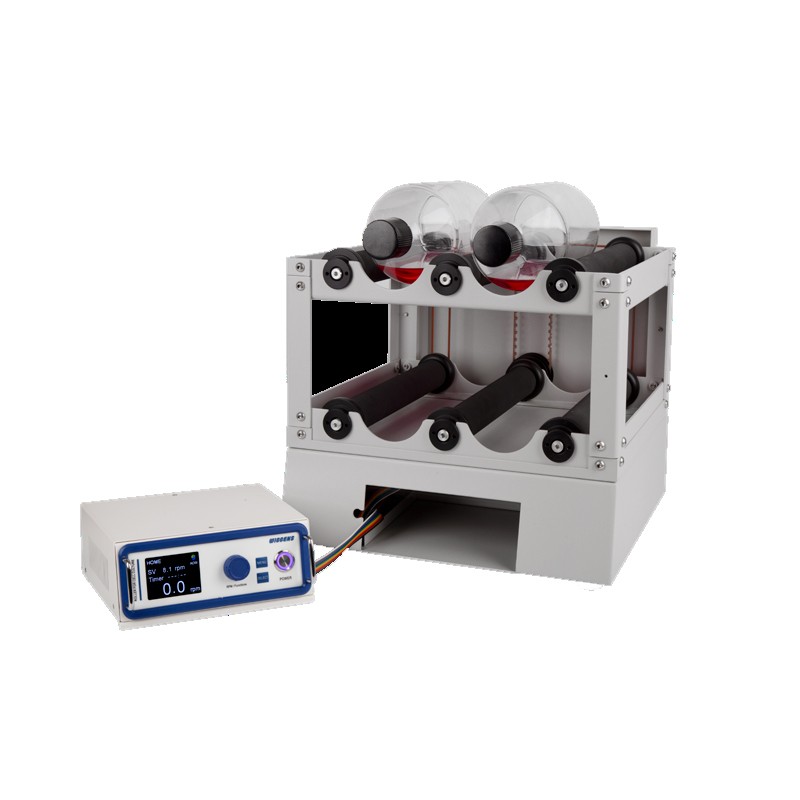
For specialized research needs, we offer compatible accessories such as remote shakers and cell culture rollers for CO₂ incubators:
- Shakers – Ideal for suspension cell cultures, providing consistent agitation.
- Cell Culture Rollers – Perfect for adherent cell cultures, supporting large-scale production.
Tip: Ensure your CO₂ incubator is compatible with these accessories if your research involves continuous mixing.
7. Advanced Features for Laboratory Efficiency
Modern CO₂ incubators offer several smart features to improve laboratory efficiency:
- Remote Monitoring & Alarms – Some models allow for 24/7 monitoring, ensuring conditions are constantly checked.
- Touchscreen Controls – User-friendly interfaces make it easy to adjust settings and monitor parameters.
- Stackable Designs – Save valuable lab space by stacking multiple units.
Tip: If constant oversight is crucial for your lab, choose a CO₂ incubator with remote alarm functionality to ensure peace of mind.
Conclusion: Selecting the Best CO₂ Incubator for Your Needs
Choosing the right CO₂ incubator depends on several factors, including laboratory size, sterilization methods, chamber materials, and accessories. At Apex Scientific, we provide one of the most comprehensive ranges of CO₂ incubators from Wiggens, ensuring a perfect match for your cell culture applications.
Explore our complete range of CO₂ incubators here.
Need assistance? Contact us today for expert guidance in choosing the right laboratory equipment for your research needs.